
Why Texture Is Replacing Paint in 2026
For years, the conversation around interiors centered almost entirely around color. Warm white or cool white. Light oak or dark oak. Matte black or polished brass.
Now, the conversation is shifting.
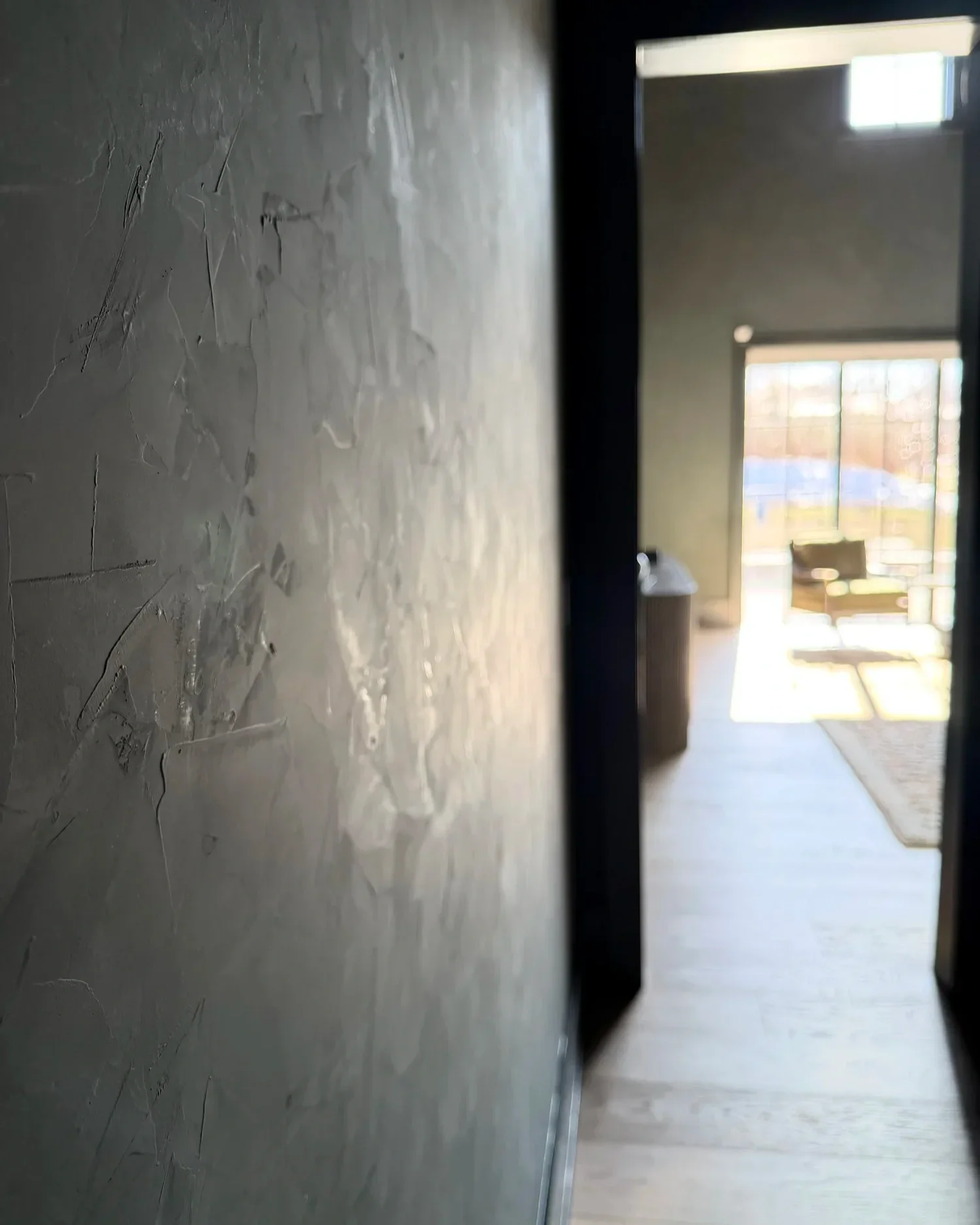
As we move further into 2026, we’re seeing homeowners and designers place less emphasis on perfectly flat walls and more focus on surfaces that feel layered, natural, and architectural. Texture is beginning to replace color as the defining element in luxury interiors — not in a loud or overly decorative way, but in a quieter, more intentional one.
Limewash, Roman clay, Venetian plaster, textured wallpapers, and color-drenched finishes are becoming less of a niche design feature and more of a foundational design choice. The common thread between all of them is simple: they bring depth and movement into a space in a way traditional paint often cannot.
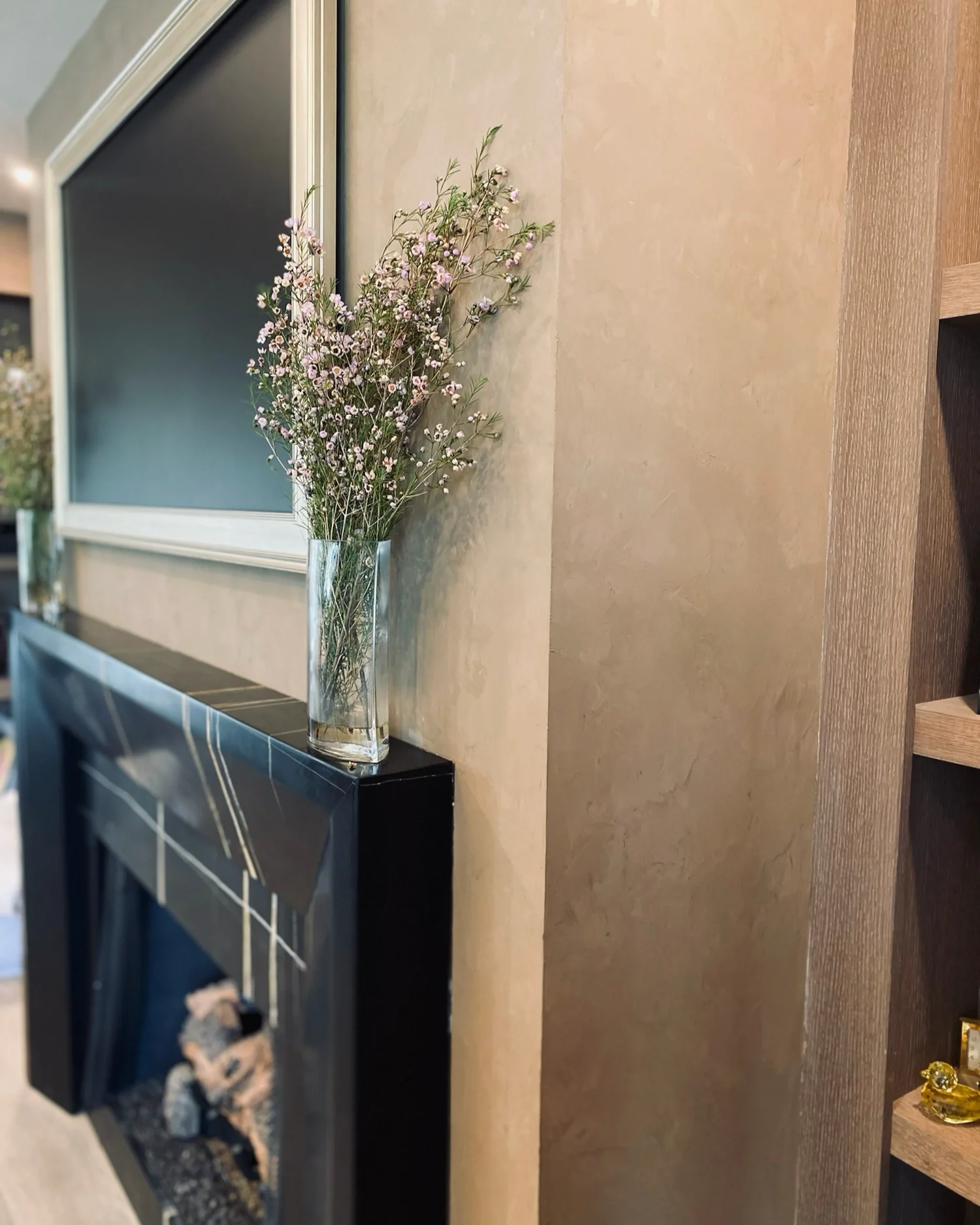
Walls are no longer being treated as background surfaces — they’re becoming part of the architecture of the home itself.
Part of this shift comes from a growing desire for homes to feel more personal and less manufactured. Many newer homes, even beautifully built ones, can still feel visually flat without some level of material variation or architectural softness. Texture helps bridge that gap. It catches light differently throughout the day, introduces subtle movement, and creates an atmosphere that feels warmer and more lived-in.
What makes these finishes particularly interesting is that most of them are inherently imperfect — and that’s exactly the appeal.
Unlike standard paint, which is typically designed to appear uniform and consistent, finishes like limewash and Roman clay are valued for their variation. The movement within the surface is what gives the space character. In many ways, it feels closer to natural stone or plaster than paint.
That influence is coming heavily from European interiors, where design has long prioritized craftsmanship, materiality, and timelessness over trend cycles. We’re seeing more American homes — especially in design-forward markets like Nashville — move toward interiors that feel softer, quieter, and more collected rather than stark or overly polished.
Our Perspective
One of the biggest misconceptions about decorative finishes is that they’re interchangeable, but in reality, each material creates a very different feeling within a home.
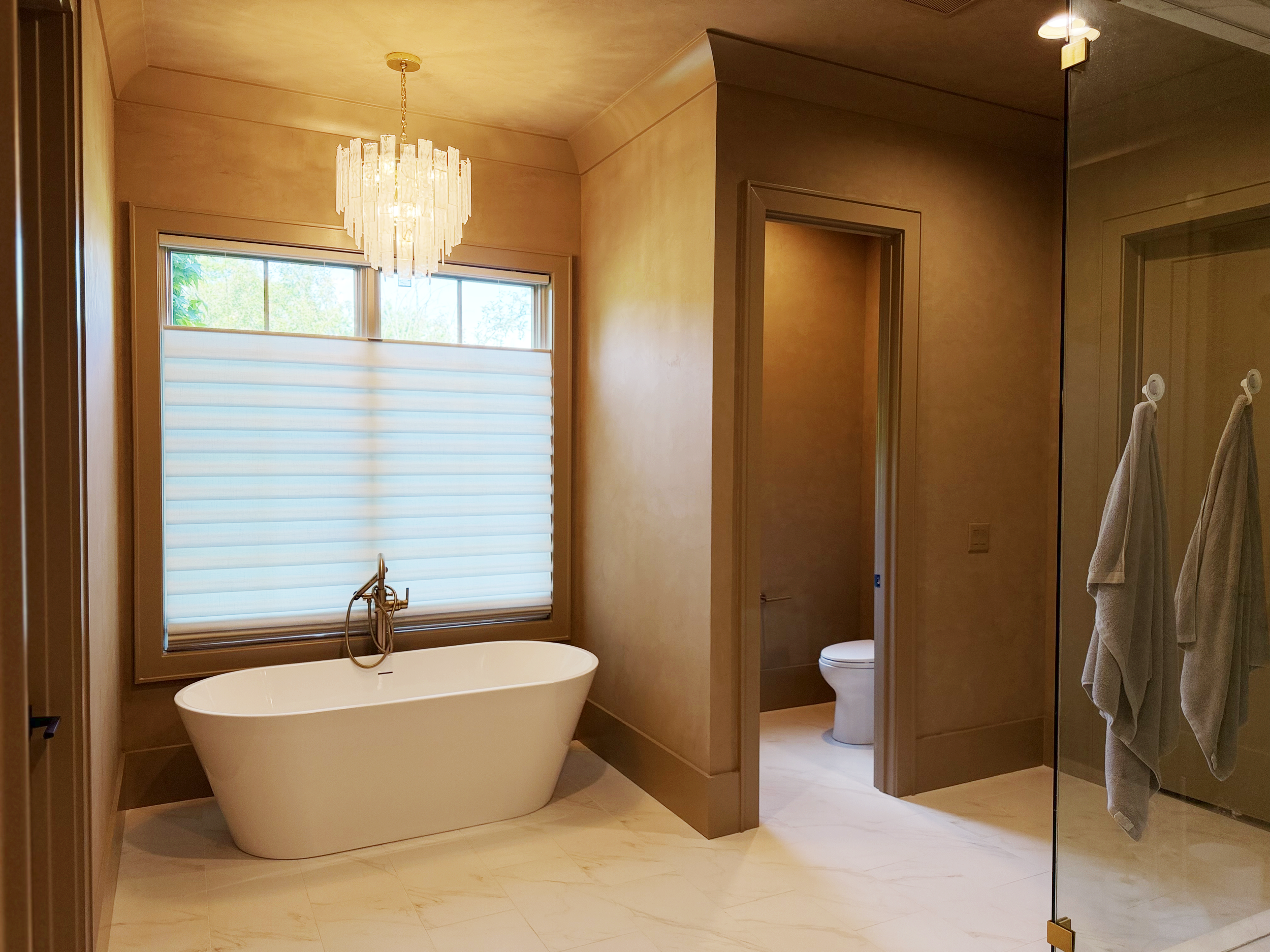
Roman clay tends to feel soft, matte, and understated. It works beautifully in spaces where warmth and subtle movement are the priority. Venetian plaster, on the other hand, reflects light more dramatically and often creates a more elevated, sculptural effect. Limewash carries a distinctly organic quality that pairs naturally with wood tones, stone, aged brass, linen, and other earthy materials.
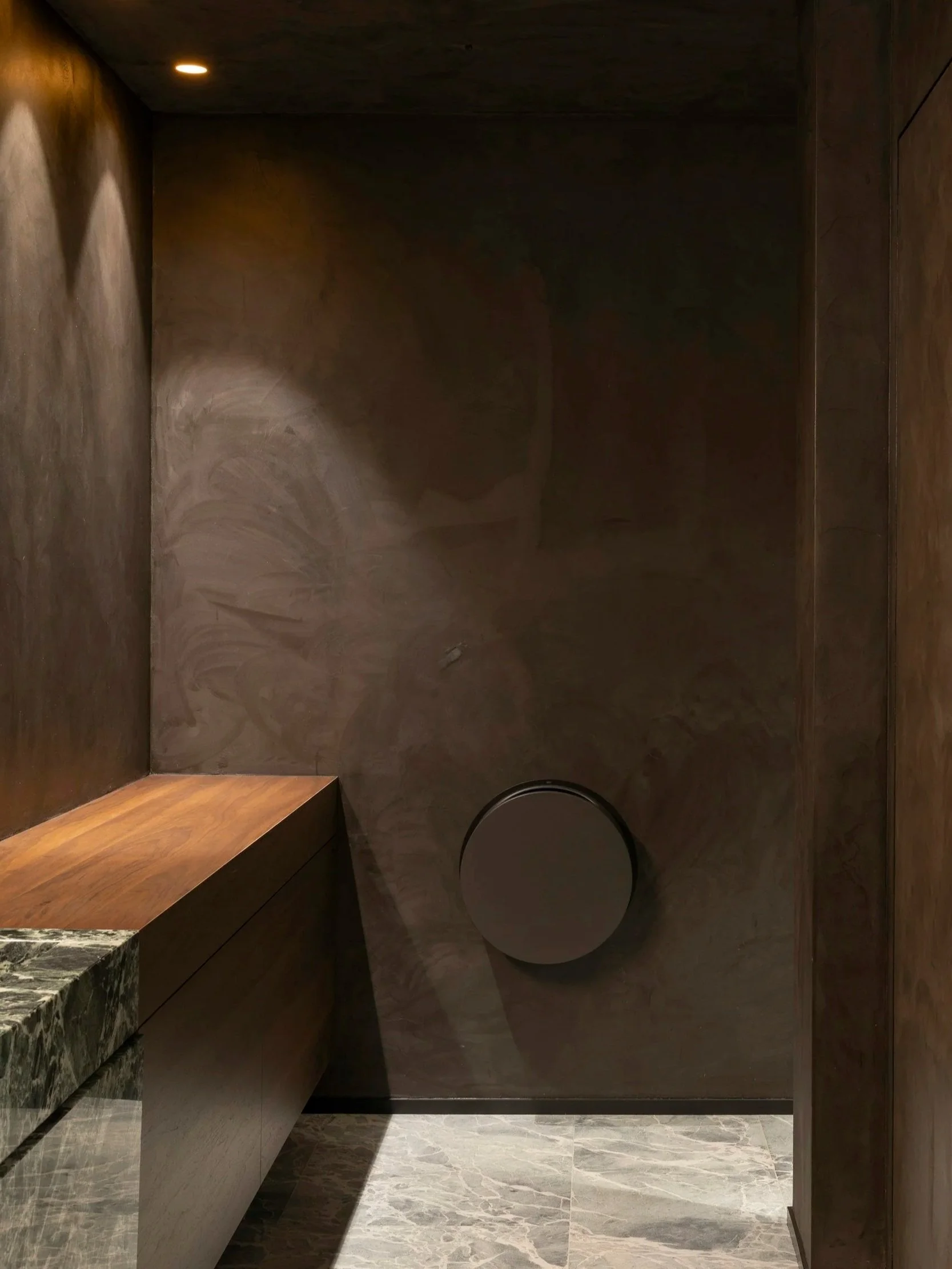
The best spaces are rarely built around a trend alone. They’re built around balance — understanding where texture enhances a room and where restraint is more impactful.
We often recommend textured finishes in areas where the architecture or lighting can really support them: dining rooms, studies, bedrooms, powder baths, entryways, and living spaces with strong natural light. In those environments, texture becomes less of a “feature” and more of an experience within the room itself.
That said, not every space needs a highly decorative finish. Sometimes the most effective approach is simply introducing one layer of softness into an otherwise clean interior. A subtly textured wall finish paired with thoughtful millwork or warm lighting can completely change the feeling of a home without overwhelming it.
As this design movement continues into 2026, we expect to see homeowners become increasingly intentional about surfaces and materials, not just color palettes. The shift away from sterile, builder-grade interiors toward spaces that feel handcrafted and architectural is only gaining momentum.
And honestly, we think that’s a good thing.
A well-designed home should feel calm, layered, and connected to the people living in it. Texture simply helps create that feeling in a way flat paint alone often cannot.
Whether through limewash, Roman clay, Venetian plaster, wallpaper, or carefully layered paint finishes, the goal is ultimately the same: creating spaces that feel timeless, thoughtful, and alive.